
Robotic Knee Replacement in Akshayanagar, Bangalore
Advanced robotic-assisted knee replacement care focused on reducing knee pain, restoring mobility, and supporting confident recovery with Dr. Veeresh Patage.
Book AppointmentAbout Doctor
Dr. Veeresh Patage - Robotic Knee Replacement Specialist
- Robotic-assisted total, partial, and revision knee replacement options.
- Treatment for knee osteoarthritis, rheumatoid arthritis, deformity, stiffness, and severe knee pain.
- Personalized rehabilitation programs for improved walking ability and long-term knee mobility.

Dr. Veeresh Patage
MBBS, MS Orthopedics, Fellowship in Arthroplasty and Arthroscopy with 15+ years of orthopedic and trauma care experience.
Dr. Veeresh Patage brings extensive experience in joint replacement, trauma care, arthroscopy, and complex orthopedic cases. His approach combines detailed diagnosis, precise surgical planning, modern implant selection, robotic-assisted accuracy, and structured rehabilitation support for safer recovery and long-term mobility.
Dr. Veeresh Patage evaluates each patient's knee pain pattern, X-rays, deformity, cartilage damage, bone quality, activity level, and medical fitness before recommending robotic knee replacement. The focus is on choosing the right procedure, explaining expectations clearly, and helping patients return to walking, sitting, climbing stairs, and daily routines with better comfort.
He has trained in arthroplasty and arthroscopy in Germany and has additional exposure to robotic joint replacement techniques. His clinical experience includes managing knee arthritis, ligament injuries, deformity correction, revision joint replacement concerns, and trauma-related orthopedic conditions.

Dr. Veeresh Patage
Orthopedic surgeon specializing in robotic knee replacement, joint replacement, trauma care, and arthroscopy.
Advanced Precision
Advanced Robotic Knee Replacement Surgery by Dr. Veeresh Patage
Our musculoskeletal system forms the foundation of movement, balance, and stability. Among all joints in the body, the knee joint plays a major role in supporting body weight and enabling smooth movement during walking, sitting, standing, and climbing stairs.
When the knee joint becomes damaged due to arthritis, injury, deformity, or degeneration, even simple daily activities can become painful and difficult. Dr. Veeresh Patage provides advanced robotic knee replacement in Akshayanagar, Bangalore with a strong focus on restoring mobility, reducing pain, and improving overall quality of life.
Need Knee Pain Evaluation?
Share your symptoms, reports, or X-rays with the clinic team and plan the next step with Dr. Veeresh Patage.
View Contact DetailsDetailed Evaluation
Clinical examination, X-rays, diagnosis, knee alignment assessment, and surgical fitness evaluation.
Personalized Planning
Procedure selection based on age, bone quality, activity level, knee deformity, and joint damage.
Robotic-Assisted Surgery
Robotic planning and precise implant positioning for improved alignment and stable movement.
Guided Recovery
Physiotherapy, walking support, follow-ups, and long-term mobility guidance.
Understanding the Surgery
What is Robotic Knee Replacement Surgery?
Robotic knee replacement surgery is an advanced orthopedic procedure where the damaged portions of the knee joint are replaced with artificial implants using robotic-assisted planning and precision. The goal is to restore smoother movement, reduce chronic pain, and improve knee function.
The knee is a complex joint made up of the femur, tibia, patella, cartilage, ligaments, and surrounding soft tissues. Conditions like arthritis or injury can damage the cartilage, leading to severe pain, stiffness, swelling, difficulty walking, and mobility limitations.
Treatment Options
Types of Robotic Knee Replacement Surgeries

Total Knee Replacement
The damaged surfaces of the knee joint are replaced with artificial implants to restore movement and reduce pain.
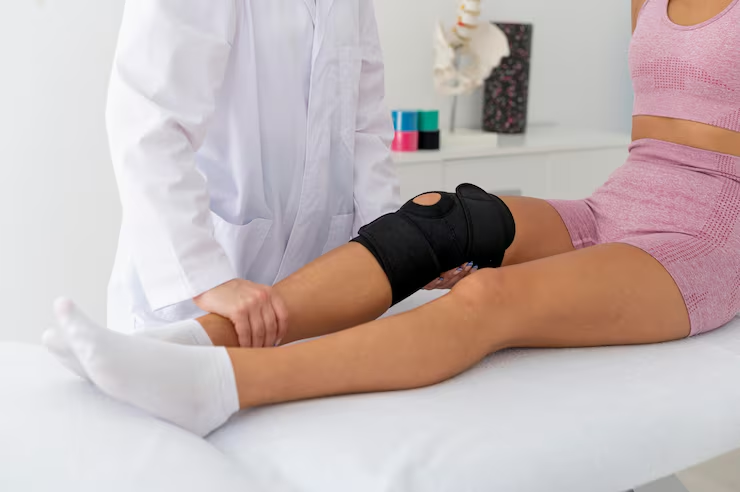
Partial Knee Replacement
Only the damaged compartment of the knee is replaced while preserving healthy bone, cartilage, and ligaments in selected cases.
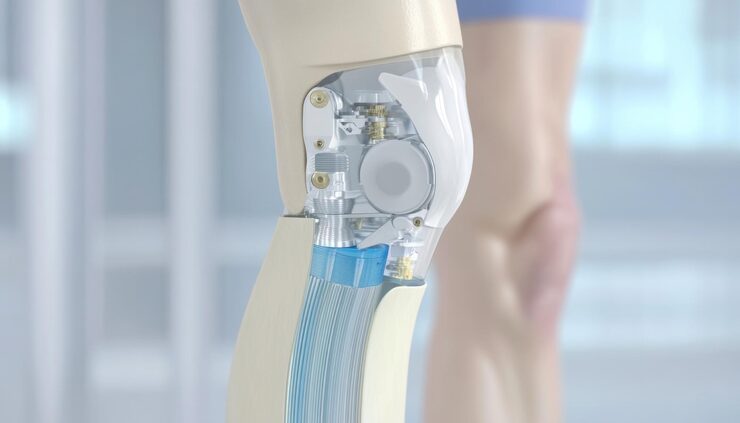
Robotic Knee Replacement Surgery
Robotic-assisted planning helps improve implant alignment, accuracy, and soft tissue balance for better functional outcomes.
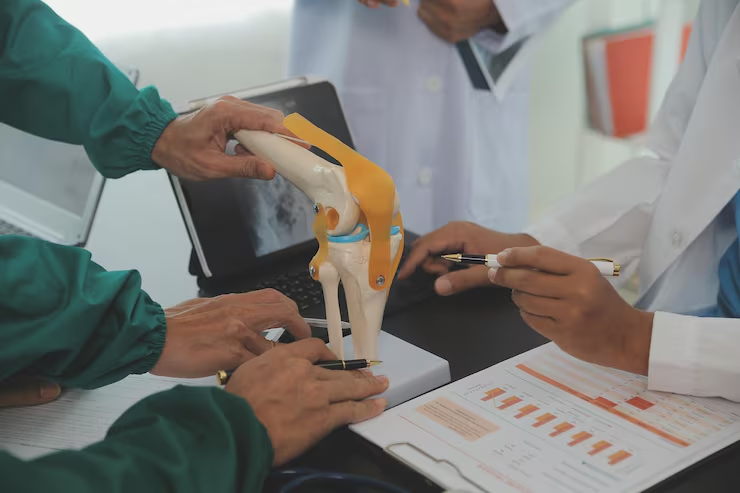
Revision Knee Replacement
A previous knee implant is replaced when it becomes loose, worn out, infected, unstable, or painful over time.
When to Consult
Who Needs Robotic Knee Replacement?
Robotic knee replacement may be recommended when conservative treatments such as medications, physiotherapy, lifestyle changes, and injections no longer provide relief. Common conditions include osteoarthritis, rheumatoid arthritis, post-traumatic arthritis, severe knee deformity, stiffness, and advanced cartilage damage.
- Persistent knee pain, limping, and difficulty walking.
- Joint stiffness, reduced knee movement, and difficulty climbing stairs.
- Pain while sitting, standing, sleeping, or doing daily activities.
Recovery Path
Procedure and Recovery
Robotic knee replacement surgery is carefully planned for safety, precision, and long-term joint function. The procedure includes anesthesia, robotic-assisted planning, removal of damaged cartilage and bone, precise placement of knee implants, soft tissue balancing, closure, and recovery protocols.
Assisted walking may begin within 24-48 hours. Most patients notice gradual improvement in mobility during the first few weeks, and many daily activities become easier within 6-12 weeks. Regular physiotherapy, strengthening exercises, and follow-up care help maximize implant longevity and mobility.
Patient Outcomes
Benefits of Robotic Knee Replacement Surgery
- Better implant positioning and improved surgical precision.
- Long-term knee pain relief and improved walking ability.
- Better balance, alignment, stability, and overall quality of life.
Common Questions
Frequently Asked Questions

Our Services

Advanced Orthopedic Care
For Better Mobility
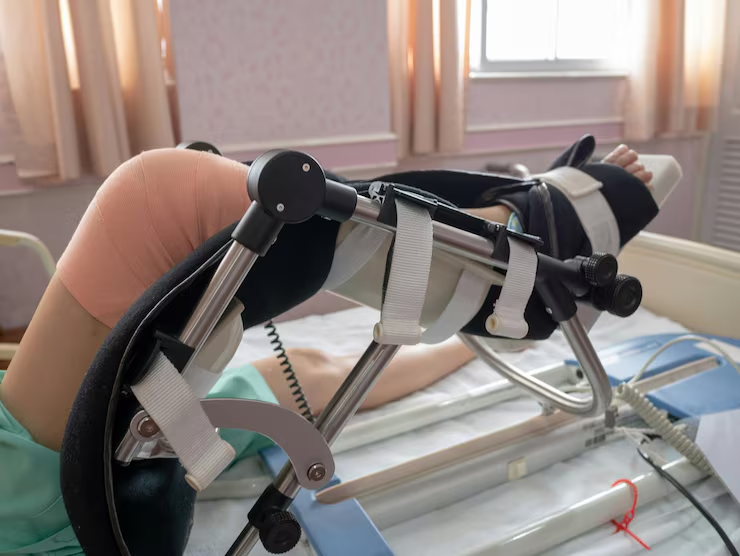
Robotic Knee Replacement
Advanced Mako robotic technology for precise knee replacement with faster recovery and better outcomes.
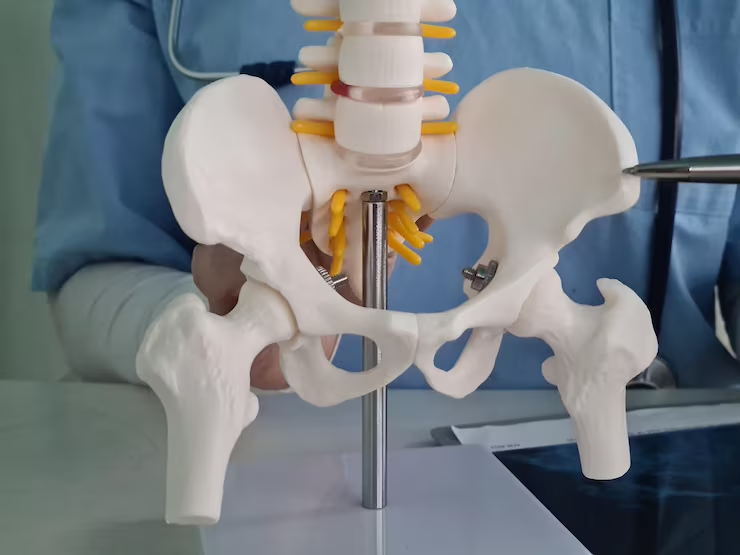
Robotic Hip Replacement
Minimally invasive robotic-assisted hip surgery ensuring accuracy, reduced pain, and improved mobility.
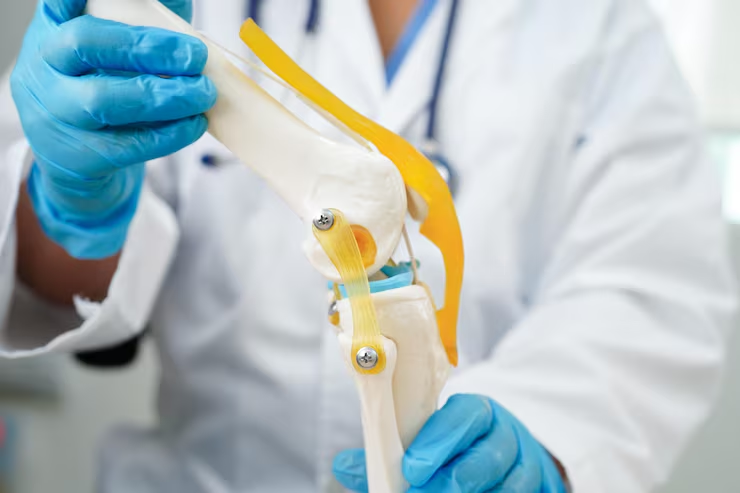
Joint Replacement
Comprehensive solutions for damaged joints including knee, hip, and shoulder replacements.

Sports Injury Treatment
Expert care for ligament tears, sprains, and sports-related injuries with faster return to activity.
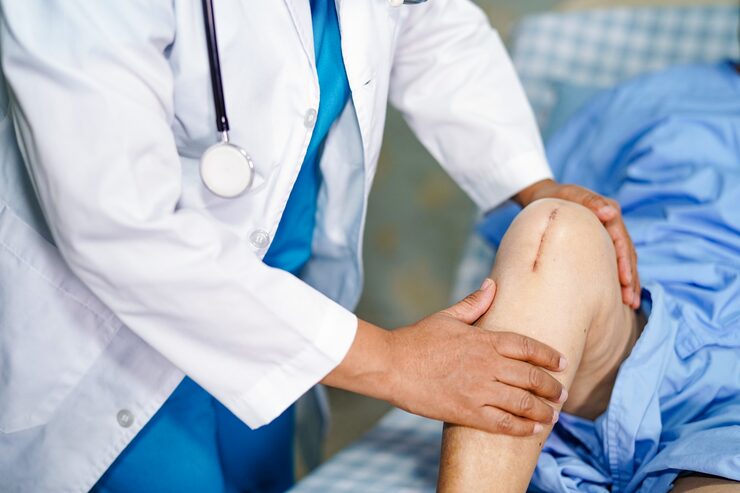
Knee Replacement
Effective treatment for severe knee arthritis to restore movement and reduce pain.
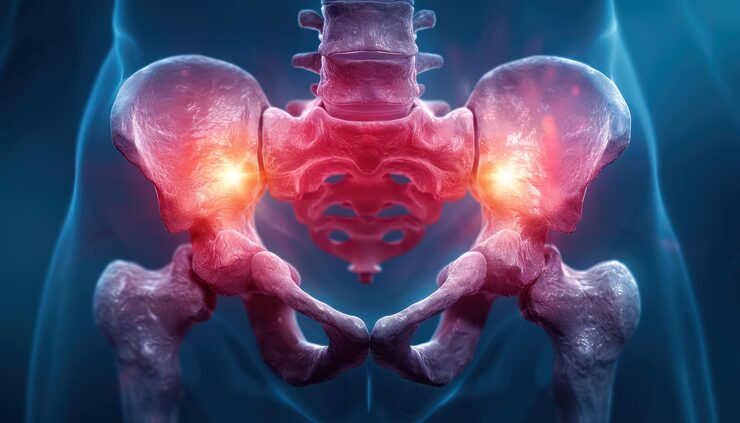
Hip Replacement
Advanced surgical solutions for hip joint damage, improving mobility and quality of life.
Fracture Management
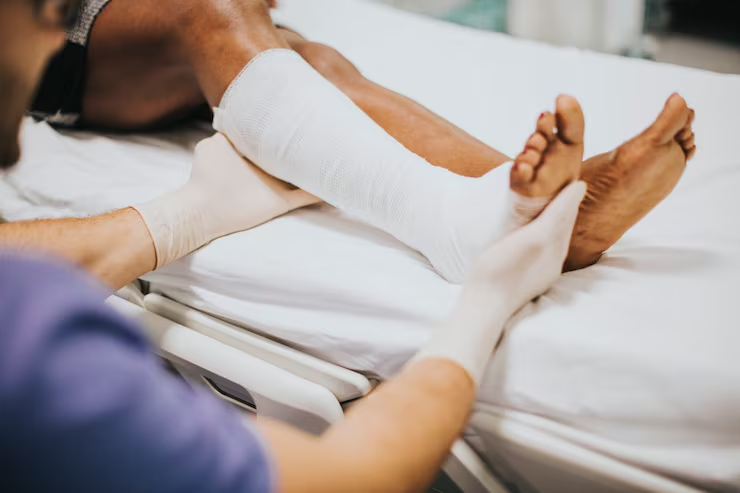
Comprehensive care for simple and complex fractures with modern surgical techniques.

Pediatric Fracture Treatment
Specialized care for children's fractures ensuring proper healing and growth.
Consult Dr. Veeresh Patage for Robotic Knee Replacement in Akshayanagar
-
Call Now
+91 7019171578 -
Location
Dr. Veeresh Patage, Akshayanagar
.png)
.png)

.png)